
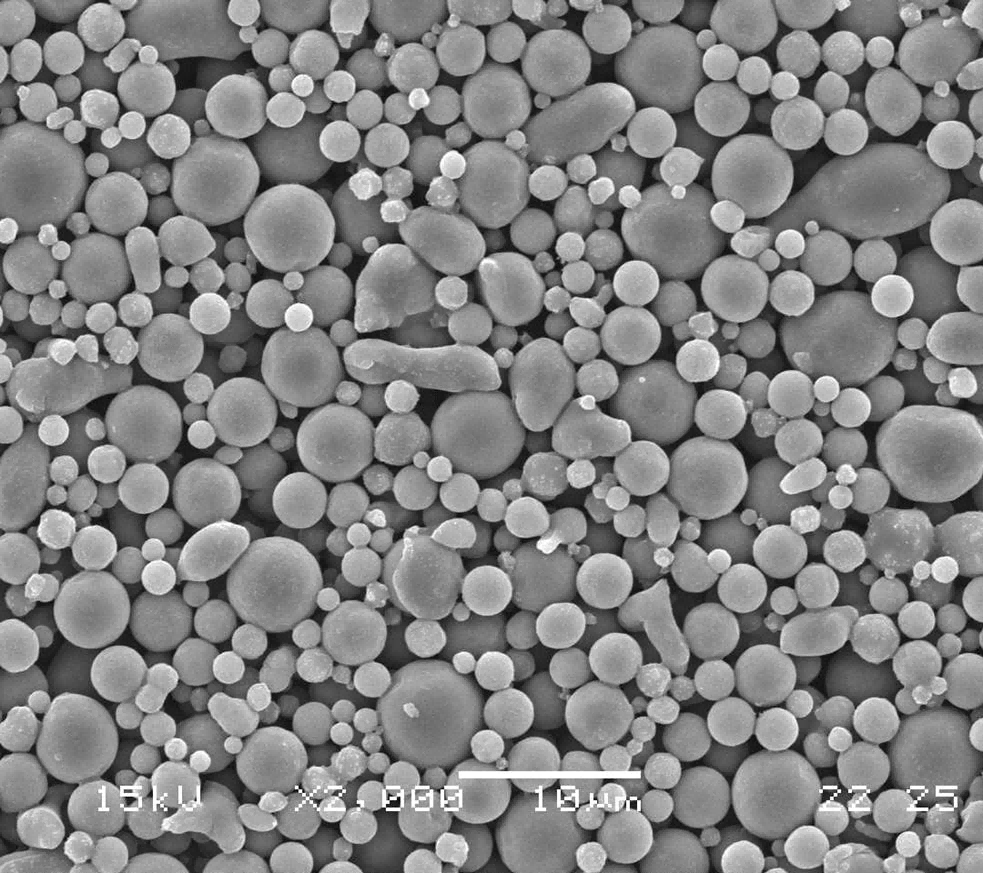
 Surface Photo of Laminated Foil
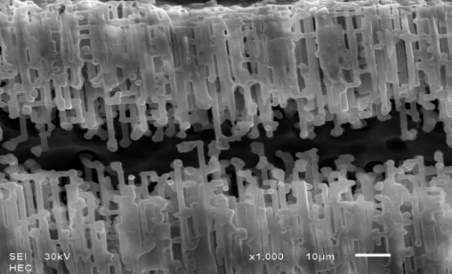 Cross - sectional Structure of Corroded Foil

Laminated foil is a new generation of electrode foil. It is a green and high - end alternative to etched foil and the best choice for the miniaturization of aluminum electrolytic capacitors. Etched foil (traditional subtractive manufacturing process): Used to manufacture traditional formed foil. It is formed by anodizing the light foil after electrochemical corrosion to expand the surface area. It has a tunnel - like pore structure, which increases the specific surface area. The specific capacitance of traditional formed foil is approaching its limit.
Laminated foil (new additive manufacturing process): Used to manufacture laminated formed foil. It laminates an aluminum powder sintered body on an aluminum foil substrate, replacing the traditional etching treatment. It features the accumulation of aluminum powder and interface fusion.
Product advantages
High capacity: Under the same thickness specification (135um), the capacity is increased by more than 20%; at the same voltage, the capacity is increased by more than 40%.
Small deviation: The laminated foil has a simple pore structure, resulting in small capacity deviation. The growth of the oxide film is uniform, and the product consistency is good.
Low production cost: In the production process of etched foil, 35% of high - purity aluminum is corroded and turned into waste residue. To produce formed foil with the same capacity, laminated foil uses more than 40% less high - purity aluminum, and there are no environmental protection treatment costs. In the long run, the production cost of laminated foil is much lower than that of etched foil.
Environment - friendly: The production process of laminated foil does not use acids and alkalis, and no three wastes are generated.
Capacitors: It can reduce the size, has high reliability, can increase the voltage, raise the temperature, and extend the service life.


 Dongyangguang official account
 Guangke official account
|  East Sunshine Technology Park, 368 Zhen'an Middle Road, Chang'an Town, Dongguan City, Guangdong Province East Sunshine Technology Park, 368 Zhen'an Middle Road, Chang'an Town, Dongguan City, Guangdong Province |
